Dogs don’t ignore you… they’re reading you
It’s a common complaint in training centres, dog parks, and homes alike: “He just ignores me!”
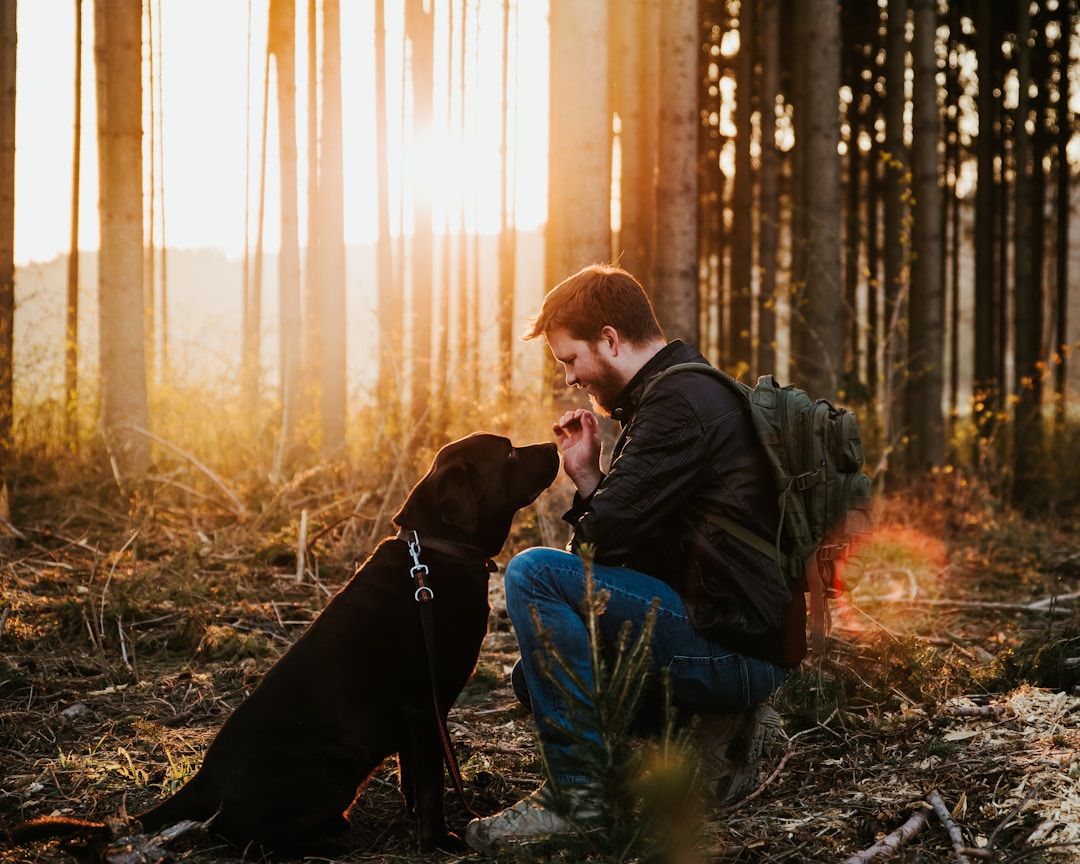
But here’s the twist most handlers miss, dogs are rarely ignoring you. They’re observing you with Olympic-level intensity.
Dogs are body language experts. Long before we speak, shout a cue, or wave a treat, they’ve already taken note of:
Your breathing
Your posture
Your energy shift
Your micro-expressions
Your movement patterns.
Even the tension in how you hold a leash or travel carrier.
To a dog, this isn’t background noise. It’s the main conversation.
When a dog pauses before responding, looks away, or seems to “check out,” they’re often doing one of three things:
Assessing your emotional state
Reading whether you’re calm, unsure, rushed, or tense.
Deciding if it feels safe or worth engaging right now.
This is why a nervous dog may look disengaged, a confident dog may delay response, and a clever dog may appear “stubborn.” They’re not being difficult, they’re being accurate.
Why your behaviour changes their behaviour
You can say all the right things and still send the wrong message.
If your body says:
“I’m worried” → the dog hesitates
“I’m rushed” → the dog stresses
“I’m unsure” → the dog delays
“I’m calm and present” → the dog engages.
Clarity isn’t just about cues. It’s about consistency between what you say and what you project.
The magic ingredient most courses forget
The handler’s calm is part of the toolkit too.
A calm handler doesn’t just train better, they communicate better, prevent escalation, and build trust faster.
This applies across all professional dog roles:
This applies across all professional dog roles:
Trainers
Sitters
Walkers
Day care staff
Kennel teams
Veterinary support staff
Even pet taxi drivers managing handovers or in-car routines.
The dog isn’t checking if you know the textbook.
They’re checking if you know yourself.
How to improve the conversation (with a dog)
Start practicing:
Slow, steady breathing when giving a cue
Relaxed shoulders when handling or transferring
Neutral posture during stressful moments
Quiet, predictable movement when symptoms or stress stack
Short pauses to let you and the dog reset together.
If you change the signal, the dog changes the story.
Final thought
Dogs don’t tune out because you’re boring.
They tune in because you’re telling the truth with your body, whether you mean to or not.
When you think they’re ignoring you… they’re usually asking you to lead better, breathe better, and be better aligned.
Not personal, not emotional.
Just honest feedback from a species that can’t lie.
Created with